
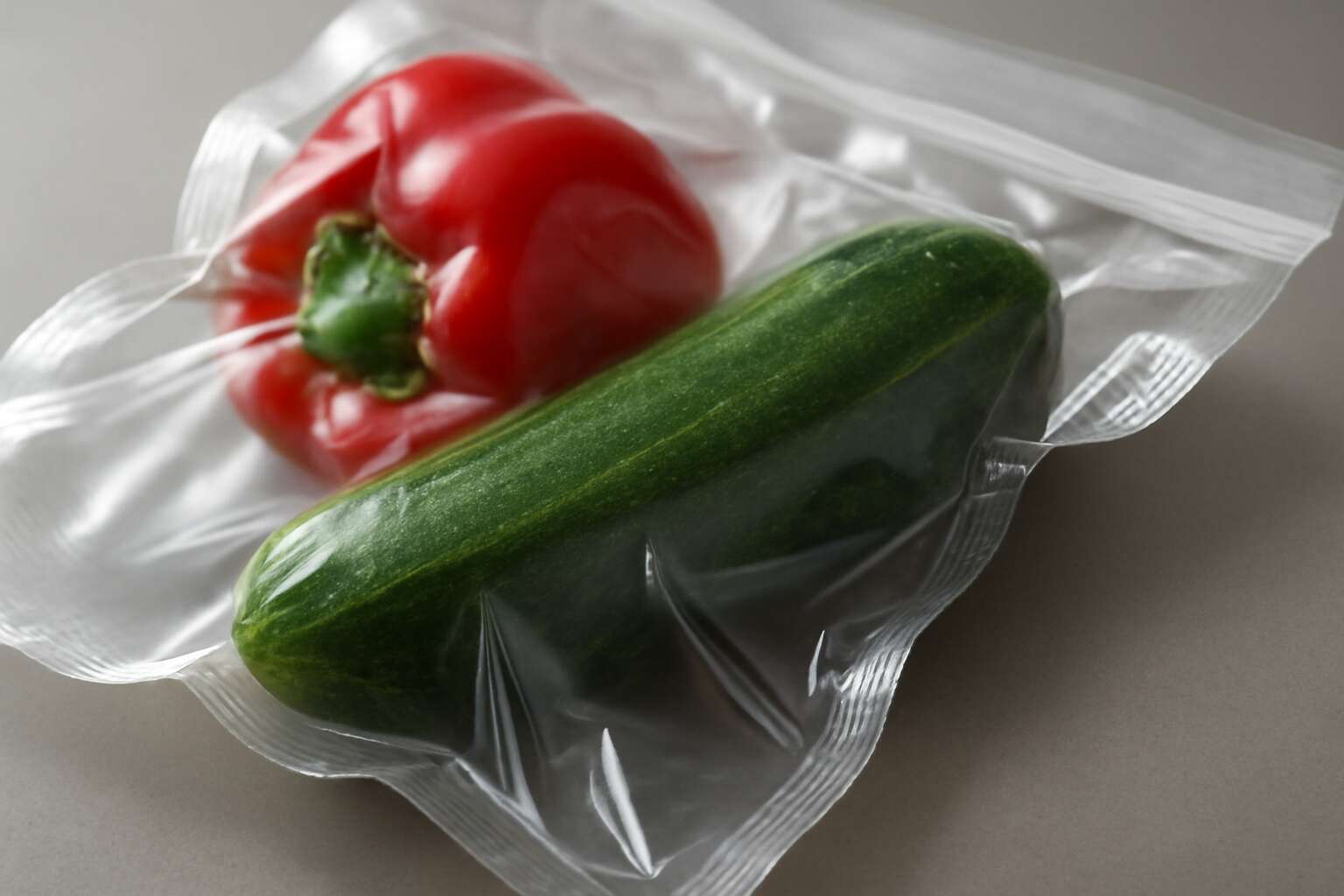
Array
Overview and fundamentals of vacuum bag packaging
Freshness isn’t a guarantee; it’s a result you engineer. In an array overview of packaging options, sealing out air sits at the sharp end of shelf life, locking in flavor. A well-timed seal can turn a middling lunch into a weeks-long treasure hunt for your freezer. The fundamentals are approachable, not arcane—no wizardry required, just the right film and a snug seal!
- Seal integrity and puncture resistance
- Barrier properties against oxygen and moisture
- Film compatibility with heat-seal equipment
Across South Africa’s climate and pantry quirks, material choice matters. With vacuum packaging bags, you tailor the barrier to the product, minimize air, and maximize shelf life—keeping costs sane while preserving flavour.
Materials and construction of vacuum bags
“Seal the air, seal the fate.” In South Africa’s kitchens, vacuum packaging bags don’t merely wrap food; they stage a quiet siege against decay, a crafted barrier that locks in aroma and texture.
Array Materials treats construction as a choreography of layers—each film chosen for a purpose, each seal tuned to a heat-seal line. The right combination shrinks oxygen ingress and resists puncture, with care taken to SA’s climate and pantry quirks.
Key components in the construction include:
- multilayer films combining a pliant PE sealant layer with a robust barrier core
- nylon or PET layers for puncture resistance and toughness
- oxygen-barrier materials such as EVOH or metallized films for extended shelf life
- compatibility with standard heat-seal equipment to ensure airtight seals
In this way, packaging becomes more than packaging—an asymmetric guardian of flavour, tailored to every product and every pantry.
Size, thickness, and storage considerations
“Less air, more flavour” is the quiet creed in SA kitchens, where the choice of array size and film thickness decides how bravely a bag defies time. A snug hug on a steak or a neat cradle for berries means less air, steadier aroma, and preserved texture. These vacuum packaging bags stand as quiet sentinels, guarding freshness with a poet’s patience.
For practical alignment, consider these standard silhouettes:
- Small: 15×20 cm
- Medium: 20×30 cm
- Large: 25×40 cm
Storage considerations, shaped by South Africa’s climates—from humid coastal towns to sun-baked inland plains, coax the life from any packaging. Darkness and stable temperatures help maintain seals, while moisture and heat can hasten deterioration. The variables of shelf life are whispers you hear when you compare the bag’s barrier strength to the product’s own tempo.
Applications and best practices
Shake a fist at spoilage and you’ll find a trusty ally in vacuum packaging bags. In South Africa’s bustling kitchens, these silent guardians extend freshness, preserving aroma and texture even when the clock runs long. They turn bulk buys into confident portions.
Array applications span home kitchens to bustling cafés, where a single bag smooths the path from market to freezer. Consider these common uses:
- Portioning meals for the week without guesswork
- Marinating meats and seafood while preserving texture
- Extending the life of berries, greens, and other perishables
Best practices, when spoken softly, revolve around preserving barrier integrity and letting the product tempo guide the bag’s use. Not every item behaves the same, so the emphasis stays on balance—protecting aroma, texture, and colour while avoiding dramatic deviations that tempt waste.


0 Comments