
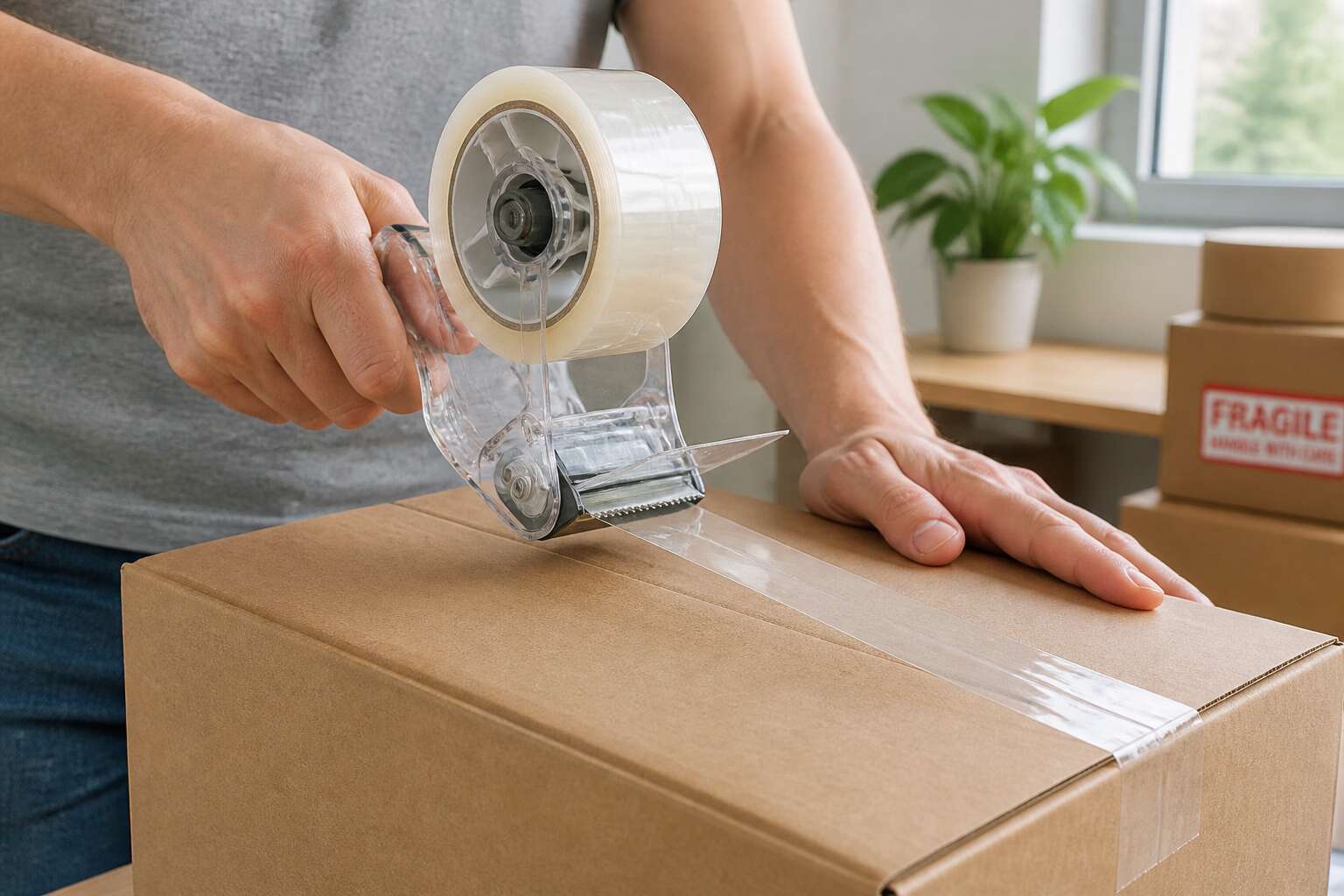
Why Choose Transparent Tape for Shipping
Benefits of Visibility for Barcodes and Labels
Retailers lose billions annually to packages that stall in transit because a scanner cannot read the label. That quiet failure often traces back to the tape used to seal the box. Opaque or printed tape can cover critical information without anyone noticing until it is too late.
Packaging tape clear offers a simple answer. It seals the carton while leaving barcodes and shipping labels fully exposed to handheld scanners and automated sorting machines. No peeling back layers, no guessing at a mangled address. The parcel moves through the system exactly as intended.
Clear tape also protects labels from moisture and scuffing without hiding them. In our experience, South African businesses shipping across long distances see the payoff in fewer costly errors. A few millimeters of transparency can mean the difference between a delivery that arrives and one that disappears into a returns depot.
Aesthetic Appeal for Retail-Ready Packages
Some brands spend years perfecting their packaging design, only to have it hidden under layers of brown or patterned tape. In South African retail, where shelf-ready packaging is becoming the norm, that covering tape is the final impression a store buyer sees before the product goes to display. When you choose packaging tape clear, the box’s artwork stays visible. The original design remains uncluttered.
A clean parcel sealed with packaging tape clear projects care. It tells the recipient that someone considered the whole experience. We see it in stores that demand clean presentation from suppliers. That subtle touch matters!
Consider what clear tape does for a retail-ready carton:
- It keeps brand colours true to the printed finish
- It shows the retailer immediately what is inside the carton
- It looks deliberate rather than thrown together
A buyer’s first reaction shapes their perception. Transparent tape keeps that reaction positive.
Strength and Durability Across Temperature Ranges
A parcel crossing the Karoo in January meets heat that softens cheap adhesives. A box shipped from Cape Town to Johannesburg in winter faces cold that makes brittle films crack. I have watched ordinary tape fail at the edges. Packaging tape clear, bonded with acrylic adhesives, holds its grip from scorching to freezing. The film resists moisture and dust, so the seal stays intact through long-haul freight. Consider what South African logistics routes demand:
- Heat that weakens lesser adhesives
- Cold snaps that make films brittle
- Humidity that compromises ordinary seals
The tape must stretch without tearing, cling without lifting, and remain transparent through it all. This durability matters for warehouses that stack boxes high and expose them to temperature swings overnight. Strong seals protect goods without obscuring labels. When you choose packaging tape clear for shipping, you choose a seal that endures the journey.
Cost-Effectiveness Compared to Colored Options
Colored tape carries an unspoken cost. The pigments that give it hue add to the price per roll, and the difference compounds across thousands of parcels. Packaging tape clear costs less per meter, which matters when profit margins shrink under fuel surcharges and courier rate hikes. The plain roll does the same work without the decorative extra.
Warehouse managers often overlook the economics of inventory. Stocking multiple colored rolls ties up capital in tape that serves one purpose alone. A single clear roll serves every box, every season, every route. The arithmetic is simple:
- Lower unit price per roll
- One SKU instead of many
- No waste when color preferences change
For a business shipping from Durban to Pretoria, choosing packaging tape clear leaves more money in the budget for what actually protects the goods.
Selecting the Right Adhesive and Thickness
Understanding Adhesive Types: Acrylic vs. Hot Melt
Choosing the correct adhesive for your packaging tape clear starts with understanding the two main families: acrylic and hot melt. Acrylic adhesives offer dependable performance across moderate temperature shifts. They resist yellowing and perform well on standard corrugated boxes.
Hot melt adhesives provide aggressive tack, bonding rapidly to recycled cardboard and dusty surfaces. They handle colder environments better but can struggle with heat. Thickness matters too. A thinner film reduces cost, while a thicker film absorbs impacts during transit.
- Acrylic suits long term storage and UV exposure.
- Hot melt suits fast packing lines and variable warehouse temperatures.
Film thickness interacts directly with adhesive choice, which is why the two are always evaluated together in a packaging tape clear specification.
Mil Thickness and Its Impact on Tear Resistance
Selecting the right combination of adhesive and mil thickness for your packaging tape clear is a matter of matching the tape to your actual packing conditions. Acrylic and hot melt each have a place, but the real decision hinges on the film’s thickness, measured in mils. A 1.8 mil tape handles light boxes and steady handling. A 2.4 mil tape offers more resistance to punctures and edge tears.
Thicker film absorbs the rough treatment of courier sorting and stacked pallets. It also holds up better when boxes are taped over seams that sit slightly proud. Thinner film tears easier, especially when a box drags across a concrete floor.
The right packaging tape clear for your operation balances cost against the risk of damaged goods. Many South African packers choose a 2.2 mil hot melt for general use. It provides quick bonding to recycled board and enough tear resistance for most domestic and cross-border shipments.
Compatibility with Different Box Materials
Cardboard is not a uniform surface. The material of your box determines whether your packaging tape clear grips firmly or peels away after a few hours. Corrugated board with rough, fibrous surfaces grabs heat-activated adhesives quickly. Smooth, laminated cartons resist bonding, which makes a thinner acrylic coating the safer choice. South African packers frequently handle both types in the same facility, so a single tape might not suit every line.
Recycled cartons carry a fine dust layer that weakens edge adhesion. The adhesive mass must penetrate that barrier before the tape can seal properly.
When matching tape to material, remember these points:
1. Rough kraft paper bonds fastest with hot melt.
2. Smooth, coated surfaces prefer acrylic.
3. Recycled board needs a thicker adhesive coat.
4. Damp or chilled boxes require a stronger initial tack.
The packaging tape clear that works on one box may fail completely on another. Test your specific cartons before committing to a bulk order.
Measuring Tape Width for Optimal Sealing
A 48mm roll may seem standard until you watch a 60mm width halve the number of strips needed per carton. Width changes the geometry of the seal, and it changes coverage. Narrow tapes force workers to apply multiple passes, which slows packing lines and leaves gaps where moisture can enter. Adhesive thickness determines how the tape grips the board’s surface profile. A thicker coating compensates for uneven corrugation, yet it costs more per meter. The right packaging tape clear balances these pressures silently. I cannot tell from a product photo whether the thickness suits your board. The results only appear hours later, when boxes sit in a humid Durban warehouse. Measure the sealing motion on your own line before you trust a width that looks adequate.
Long-Term Storage and Aging Considerations
The adhesive on a roll of packaging tape clear does not remain static. It ages. Acrylic systems oxidize slowly, losing initial tack while gaining permanence. Hot melt stays aggressive but grows brittle in cold conditions. Thickness selection becomes a question of time. A thicker coating resists the slow creep of humidity, yet it collects dust from the warehouse air.
I have opened rolls of packaging tape clear stored for three years. The tape looked identical, but the bond had changed completely!
- Acrylic: predictable aging, resists yellowing under UV light
- Hot melt: high initial grip, hardens with age
When cartons rest on pallets for months, the adhesion quality matters more than the tape’s appearance. Failure arrives without warning.
Step-by-Step Application Techniques for a Secure Seal
Preparing the Box Surface for Maximum Adhesion
A package that arrives open is rarely a failure of the tape. It is a failure of the surface beneath it. In South Africa, where humidity and dust undermine adhesion daily, the moment before application decides everything.
Start with a clean, dry surface. Remove any residue from old labels or previous tape. A lint-free cloth often suffices, but for stubborn grime, use a mild solvent. Assemble the box fully before you unroll the packaging tape clear.
Here is the sequence I rely on:
- Inspect the flaps for gaps or tears
- Wipe the sealing area to remove dust
- Ensure the corrugated surface is not damp
- Apply firm pressure from the centre outward
The adhesive needs direct contact with the fibres. When you skip preparation, the packaging tape clear bonds to dust rather than the cardboard, and that bond fails under stress. The extra minute spent here prevents failure.
Proper Tension and Smoothing Methods
Applying packaging tape clear involves three movements: pull, press, and repeat. Tension matters more than most packers assume. Too loose and the tape wrinkles, creating channels for air and moisture. Too tight and you stretch the film, thinning the adhesive layer where stress concentrates. Pull the roll to the box corner, not beyond it. Let the tape unroll at a steady speed, then press from the centre outward.
The sequence I use:
– Unroll about 10 cm beyond the box edge before cutting
– Lay the tape across the seam with equal overhang on both sides
– Rub the entire length with a plastic applicator or your palm
– Fold the overhang down onto the side panels
Smoothing decides the seal. Bubbles and wrinkles are not cosmetic flaws, they are weak points where the adhesive lifts. A single continuous pass with consistent pressure outperforms repeated patting. This method turns packaging tape clear into a structural component of the parcel.
Centering the Tape on the Box Seam
Centering packaging tape clear on the box seam is a matter of geometry, not guesswork. The seam runs exactly along the middle of the parcel, and your tape should match that symmetry. Any drift of a few millimetres creates an uneven seal, one side gripping the flap while the other side separates. To achieve this:
- Locate the seam’s centre by folding the box flaps closed and running a finger along the gap.
- Align the tape roll so its midpoint matches the seam’s midpoint, not the edge.
- Unroll a short length, then adjust before pressing.
After the tape is down, check the overhang on both ends. If they are not equal, peel and reposition. Packaging tape clear rewards patience. A centred strip distributes stress evenly across the full width, which is the entire point of sealing.
Using the H-Method for Heavy Loads
When a parcel carries real weight, the H-method turns packaging tape clear into a dependable support system. This technique uses three strips: one along each side seam and a third across the middle. For boxes over fifteen kilograms, this pattern stops the flaps from bowing outward during stacking.
1. Run one strip of packaging tape clear along the left seam, overlapping the box edges by five centimetres.
2. Repeat on the right seam.
3. Apply the final strip across the centre, perpendicular to the first two.
Smooth each strip with firm palm pressure from the middle outward. The H-method distributes stress across multiple layers, which matters when boxes sit under pallet loads. Choose a wider roll for heavy parcels; the extra surface area compensates for rough handling and humidity.
Avoiding Wrinkles and Air Bubbles
Most sealing failures trace back to a single moment: first contact between adhesive and cardboard. Packaging tape clear bonds instantly to the box surface, leaving no room for repositioning. I have seen rushed applications ruin packed boxes, all because the tape caught a crease. Start at one edge and unroll steadily, holding a consistent peel angle of about forty five degrees.
Air bubbles form when the tape bridges a gap instead of following the surface contour. Press from the centre line of the strip toward each edge, pushing air out as you advance. Packaging tape clear behaves predictably when applied this way; the adhesive needs that steady, unhurried motion to establish full contact.
Use this order:
- Anchor a short section at one end.
- Unroll with consistent tension.
- Smooth from centre outward.
That method prevents creases and lifted edges that compromise the seal.
Safety Tips for Dispenser Use
In the packing industry, 7% of workplace hand injuries come from tape dispensers. Packaging tape clear turns a simple task into a hazard when handled carelessly. I have seen experienced packers rush the process, only to lose grip and slice a finger. The adhesive side demands attention long before it ever meets the box.
For a secure seal, work through these steps:
- Load the roll so the tape unrolls from the bottom.
- Position the dispenser wheel flat against the box edge.
- Pull a strip that overhangs the seam by two centimetres.
- Cut with a controlled downward motion, never a flick.
Safety tips for dispenser use start with your grip. Keep your thumb on the rear guard, not the side plate. After each cut, release the blade cover completely. Packaging tape clear has a razor edge that responds poorly to distracted hands. Store dispensers with blades covered, and always pass them handle first to another person.
Common Application Mistakes That Compromise Package Security
Using Too Little Tape on Overweight Boxes
A heavy box sealed with a single strip of packaging tape clear rarely survives the journey. The strain on the seam is immense, and the adhesive simply cannot hold when contents shift during transit. I have seen this oversight ruin countless shipments.
People underestimate the force generated by weight. A 25 kilogram carton moving across a conveyor belt exerts pressure that pulls at the tape edges. If the strip is too short, the seal peels open before reaching the depot. Spilled contents, lost inventory, and angry customers follow.
- Use more tape on heavier consignments
- Extend the tape down the box sides for grip
- Check the seal after applying
Relying on packaging tape clear without considering box mass creates predictable failure points. The tape may look secure at the packing bench, but the real test happens in transit.
Applying Tape Over Dust or Moisture
A box can look perfectly sealed yet fail before leaving the yard. Dust and moisture cause most invisible failures. When packaging tape clear lands on a dusty surface, the adhesive bonds to the dust particles instead of the box fibers. That bond appears solid. It is not. The dust layer shifts with the slightest vibration, and the seam opens.
Moisture creates a different problem. Water on the cardboard surface stops the adhesive from wetting the fibers completely. The tape holds for an hour or a day, but the grip decays as the moisture evaporates or freezes. The seal ruptures during sorting or inside a hot delivery vehicle.
Common sources of contamination:
- Cardboard dust from cutting or folding
- Humidity in an unventilated packing room
- Damp fingers handling the tape roll
Each case leaves the packaging tape clear looking correct at the packing bench. The real test comes when the box is moving.
Ignoring the Importance of Pressure After Application
Pressing packaging tape clear onto a box is not a formality. The adhesive needs physical force to flow into the cardboard’s porous surface. A light pat leaves the tape sitting on top of the fibres. That seal looks fine at the packing bench, but it has not bonded. The box may travel hours before the tape lifts.
Pressure forces the adhesive to wet out the surface, creating a continuous grip across the seam. Without enough pressure, only the highest points of the cardboard make contact.
- Press the length of the seam twice.
- Hold pressure at the tape ends for a few seconds.
- Use a dispenser with a roller rather than pressing by hand.
Many packers treat pressure as an afterthought. The packaging tape clear looks perfectly applied, yet the bond remains superficial. For a package moving through a South African distribution network, that distinction matters.
Reusing Tape from Previous Packages
Consider the parcel that arrives sealed with packaging tape clear. The strip looks clean, the box is still sturdy. The temptation to peel that tape off and press it onto a new package is practical. Save a few rand, reduce waste! But the adhesive has already formed its bond once. Cardboard fibres remain embedded in that layer, tiny fragments that block contact with the next surface. The tape cannot flow into the new paper fibres. It sits proud, gripping only scattered points.
Reused tape also carries micro-abrasions from the first application. Scratches in the polymer film create stress points. A package travelling from Cape Town to Durban encounters temperature swings and vibration. The old tape, already fatigued, fails at the seam. A fresh application of packaging tape clear costs a fraction of a rand. The reused strip can cost the entire shipment.
Sustainable Options and Proper Disposal for Transparent Tape
Biodegradable and Recyclable Tape Materials
Each year, mountains of transparent tape vanish into landfills, their plastic films lingering for centuries. Yet the packaging tape clear you choose today can rewrite that legacy. Biodegradable varieties, crafted from cellulose or plant starches, decompose within months under industrial composting conditions. Recyclable polypropylene tapes, meanwhile, require separation from cardboard before processing.
Consider these sustainable alternatives:
- Water-activated paper tape reinforced with fiberglass
- Cellulose acetate tape from renewable wood pulp
- Recycled PET tape, which retains clarity and strength
Proper disposal starts with segregation. Peel the tape from boxes and place it in the correct waste stream. Compostable tapes belong in organic bins, while recyclable tapes go to specialized facilities. Some municipalities accept tape-attached cardboard for repulping, but always verify local guidelines. The choice rests with you: a fleeting seal or a lasting toll on the earth.
Determining If Your Tape Is Recyclable
The recycling bin becomes a riddle when transparent tape enters the picture. Many distributors still label polypropylene film as degradable, which muddies proper disposal. The packaging tape clear you selected might feel light, yet its polymer structure resists breakdown. Perform a stretch test: paper based tape tears abruptly, while plastic tape elongates before snapping!
Certifications offer more certainty than marketing claims. Compostable products display logos like OK Compost or seedling. Without these, assume the tape belongs in general waste.
For those committed to zero waste, check local facilities. Some Western Cape recyclers accept tape attached cardboard, but only if the adhesive is water activated. Always peel off plastic tape before repulping.
Reducing Tape Waste Through Efficient Application
A single roll of packaging tape clear weighs a few hundred grams, yet it can outlive the cardboard it seals by centuries. Sustainable alternatives exist. Water activated paper tape bonds aggressively to corrugate and breaks down in industrial composting facilities. Its starch based adhesive holds as firmly as polypropylene film, so shipping performance remains unchanged.
Efficient application reduces waste more than any material swap. In my experience, a calibrated dispenser applies even tension and prevents the loose looping that burns through entire rolls. Measure the box seam first, then cut once!
- Store rolls away from heat to keep the adhesive reactive
- Press the tape down with a smoothing block to eliminate reapplication
Every metre of tape saved lowers both packing cost and landfill contribution. That is the cleanest disposal method of all.
Alternatives Like Water-Activated Paper Tape
The plastic film on ordinary packaging tape clear resists breaking down for generations. Water activated paper tape behaves differently. It grips the corrugate with a starch based adhesive and dissolves in the right composting environment. That changes the disposal story entirely.
When a package arrives, I separate the tape from the box. Most municipal systems in South Africa accept this tape with paper waste. A quick check of your local facility avoids contamination.
- Peel the tape off cleanly, it tears with the paper.
- Place both tape and box in the compost or paper bin.
- Confirm the facility runs industrial composting at 50 degrees.
This approach keeps the tape out of the landfill.



0 Comments