
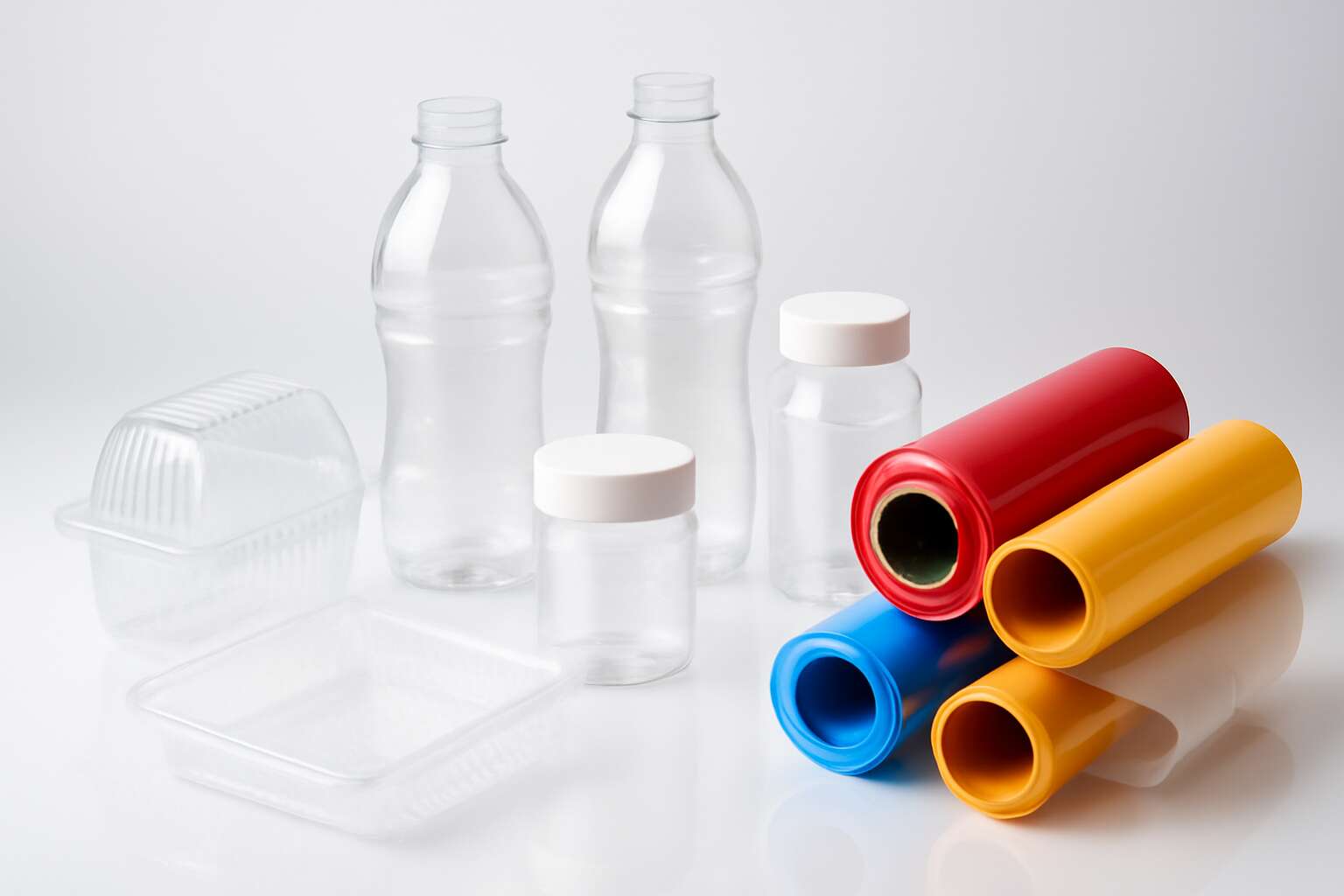
Plastic materials and packaging formats
Common polymers by application
Billions of plastic and packaging products race from factory floors to South African shelves each year, shaping how we store, transport, and celebrate. The magic lies in plastic materials and packaging formats tuned to preserve freshness, resist damage, and tell a brand story with minimal waste. From market stalls to kitchen tables, these choices influence sustainability and cost in a tangible way.
- Polyethylene (PE) for films and bags
- Polypropylene (PP) for caps, closures and rigid containers
- Polyethylene terephthalate (PET) for bottles and trays
- Polystyrene (PS) for lightweight molded parts
Choosing the right polymer is a craft—balancing performance with price, recycling streams, and consumer expectations across South Africa. These choices define plastic and packaging products across the region, guiding brands toward durability, clarity, and responsible disposal.
Barrier properties and shelf life considerations
A seal that holds is a quiet guardian of freshness; barrier properties decide how long a product keeps its voice. From the first kiss of light to the last breath of humidity, the fate of a package rests on the chemistry of films and coatings.
Moisture ingress, oxygen transmission, and light exposure wear away flavor, texture, and aroma. The right packaging format—multilayer films, tight seals, and coated rigid containers—can stretch shelf life without bloating costs. Reliability is tested in the quiet laboratories where WVTR and OTR whisper truths about performance.
- Moisture barriers that guard humidity-sensitive items
- Oxygen barriers that slow oxidation and staling
- Light and aroma shields that preserve freshness and color
For South African brands, the balance between performance, price, and recycling streams shapes every choice in plastic and packaging products.
Typical packaging formats and use cases
Packaging wields quiet influence—it’s a battlefield for freshness and cost. In South Africa, packaging accounts for roughly 50% of plastic waste, a statistic that makes every design decision feel like a vow to save footprint while maximizing shelf appeal.
Plastic materials span rigid and flexible formats, tuned to use cases from beverages to gourmet treats. Typical packaging formats and use cases include:
- Rigid PET and HDPE bottles for beverages and household products
- Flexible stand-up pouches and films for snacks and coffee
- Thermoformed trays and clamshells for fresh produce and ready meals
- Injection-molded tubs and jars for cosmetics and personal care
- Barrier multilayer films for shelf-stable foods and pet foods
These formats support South African brands in balancing performance, price, and recycling streams—a trifecta that guides every decision in plastic and packaging products.
Processing methods and equipment for plastic packaging
Packaging controls freshness and cost, and in South Africa, packaging accounts for roughly 50% of plastic waste—a statistic that makes every processing decision feel like a vow to quality and footprint. Plastic materials are shaped into shelf-ready forms through a handful of high-impact workflows that balance speed, precision, and recyclability.
Processing methods commonly used for plastic and packaging products include:
- Extrusion and blown film systems for thin, robust barrier films
- Injection molding for accurate jars, tubs, and closures
- Thermoforming for trays, clamshells, and ready meals packaging
- Blow molding for bottles and flexible containers
- Coextrusion and multi-layer coating for enhanced barrier performance
In modern lines, equipment such as high-torque extruders, precision screws, servo-driven presses, and inline quality checks orchestrate the transition from resin to ready pack, like a conductor guiding a chorus of plastics.
Packaging performance and design
Barrier properties and shelf life
In South Africa’s crowded markets, a single package can decide a product’s fate. The discipline of packaging whispers in shadows and sunlight alike, and plastic and packaging products become guardians of freshness, form, and memory, turning fragile contents into enduring stories.
Packaging performance and design combine to resist the bruises of transit, enable easy handling, and deter tampering without turning grim. A well-considered closure, ergonomic opening, and deliberate resealability reduce waste and keep spirits intact on crowded shelves.
- Mechanical resilience during stacking
- Tamper-evident and secure closures
- Ergonomic access for quick, error-free use
Barrier properties and shelf life follow from material choice, multilayer structures, and controlled atmospheres. Light, moisture, and oxygen ingress are fought with strategic film blends and barrier coatings, extending product integrity while reflecting the sunlit, rain-soaked realities of our local supply chains.
Structural integrity and seal performance
South Africa’s shelves are a battlefield of eyes and carts, and a packaging choice can tilt the odds in your favor. Shoppers form their first impression in less than seven seconds, and if your package looks tired, buyers move on. In this arena, plastic and packaging products act as guardians of freshness, form, and memory—keeping fragile contents confident from dock to door.
Design and performance go hand in glove. A robust seal and sturdy yet light structure resist transit bruises, deter tampering, and invite easy handling. The right closure and resealability reduce waste and boost on-shelf confidence, while ergonomic openings prevent spill-prone mishaps in crowded aisles. In the end, the aim is packaging that travels well and reads well—communicating quality at a glance to South African shoppers hungry for value. All told, these choices define plastic and packaging products as a performance discipline rather than a cosmetic flourish.
Design for efficiency and branding
Seventy percent of shoppers form their first impression in under seven seconds, a ruthless clock that rewards clarity and confidence. Packaging performance and design converge in this space, where plastic and packaging products translate intent into form—from crisp lids to tactile labels—so shelves speak before a shopper moves. The aim is reading well, traveling well, and delivering value at a glance!
Design for efficiency and branding weaves utility with personality:
- Lightweight yet rigid structures that resist transit bruises
- Clear closures and easy resealability to curb waste
- Ergonomic openings and legible branding to guide handling
On South African shelves, those choices become visible as trust and preference, not just containers. When form follows function—delivery and perception align—these products act as ambassadors in a crowded aisle.
Cost, lead times, and customization
On crowded shelves, the spell of cost and craft decides which brand wins the eye in seven seconds! In plastic and packaging products, performance is a vow—lightweight, sturdy, seal-ready, and crafted for handling that feels effortless at a glance.
Packaging performance and design align with cost and lead times. Material choice, tooling, and minimums shape every quote, while local South African logistics weave speed into feasibility. Flexibility in production avenues lets brands balance value with ambition.
- Material and tooling costs
- Lead times from concept to pilot
- Minimum order quantities and batch sizes
- Customization options for closures, labels, and sizes
Smart customization can sharpen shelf presence while trimming waste, delivering a narrative that resonates with shoppers and retailers alike.
Sustainability and end of life
Recycling codes and collection streams
Globally, only about 9% of plastic has ever been recycled—a stark reminder that sustainability is a long, winding road. In South Africa, the journey toward responsible packaging is gaining momentum among designers and manufacturers shaping the plastic and packaging products sector.
End-of-life thinking is anchored in clarity: recycling codes and collection streams guide the path from consumer to reprocessor. Resin identification codes #1 through #7 aid sorting; curbside collection, depot drop-offs, and deposit-return schemes feed the system.
- Kerbside recycling streams for common resins
- Bring banks and drop-off depots for mixed plastics
- Deposit-return schemes for bottles and containers
Together, these flows turn waste into value!
Recycled content strategies and challenges
Globally, only about 9% of plastic has ever been recycled. In South Africa, momentum is building as designers and manufacturers push for responsible packaging.
End-of-life thinking hinges on clarity. Recycling codes and collection streams guide the path from consumer to reprocessor, shaping how products find new life.
- Consider post-consumer streams and how they feed recycled content without compromising color or performance.
- Account for contamination, grade variability, and regulatory alignment as you source circular resin fractions.
- Position recycled content as a feature in South Africa’s growing market for sustainable packaging.
The challenge is balancing quality with cost, and communicating value to buyers who want durable, safe packaging that respects the planet. A steady move toward recyclability reshapes the value of plastic and packaging products!
Bioplastics and compostable options
Globally, only about 9% of plastic has ever been recycled, which means most packaging ends up in less glamorous places than a hero’s recycling bin. In South Africa, bioplastics and compostable options offer a cleaner end-of-life path for plastic and packaging products.
Bioplastics aren’t a miracle cure, but they thrive when paired with the right streams. Industrial composting facilities and certification schemes decide whether a material actually vanishes into compost or merely delays its reality.
- PLA (polylactic acid)
- PHA (polyhydroxyalkanoates)
- Starch-based blends
Key considerations include regulatory alignment, contamination risk, and the capacity to process end-of-life streams within SA’s evolving waste infrastructure.
Choosing sustainability in plastic and packaging products doesn’t demand a sermon; it’s a witty, practical shift that keeps packaging durable, safe, and planet-friendly.
Life cycle assessment and environmental impact
Nine percent—that stubborn figure pricks at the hype, and I demand honest appraisal of sustainability. In the realm of plastic and packaging products, the true metric is life cycle impact, not a single material win. Energy, emissions, and end-of-life outcomes ripple long after the shelf life ends.
Life cycle assessment (LCA) acts as South Africa’s compass, tracing supply chains, plant energy, transport footprints, and disposal routes. It reveals where improvements truly matter and where performance merely shifts the burden downstream!
- Embodied energy and greenhouse gas emissions across the value chain
- End-of-life fate, including recycling compatibility and composting possibilities
- Water use, waste generation, and potential for circularity in SA’s waste streams
Ultimately, these findings guide decisions in plastic and packaging products—supporting durability, safety, and responsible stewardship while aligning with our evolving waste infrastructure.
Regulatory compliance and standards
Food contact regulations and safety
“Safety isn’t a feature—it’s a promise,” a quality director once told me, and it glows like dawn over a South African horizon! In plastic and packaging products, that promise travels from the factory floor to the dinner plate, guarded by standards and steadfast integrity.
South Africa’s food contact safety rests on a framework that folds DoH guidelines, the Foodstuffs, Cosmetics and Disinfectants Act, and SABS standards into every run of materials. Compliance rests on migration testing, GMP-aligned production, and a quiet, relentless traceability. Consider these pillars:
- Migration and residue testing to verify food safety
- Clear declarations and traceability from supplier to shelf
- Certification programs such as ISO 22000 or HACCP-based systems
- Adherence to local packaging regulations and DoH guidelines
Brands that align with these standards earn trust as they innovate with grace and efficiency, turning care for safety into a seamless part of daily life.
Labeling and traceability requirements
Compliance isn’t a checkbox—it’s the buyer’s confidence. In South Africa, the right packaging earns shelf space and loyalty; for plastic and packaging products, it’s the backbone of trust on every shelf!
Regulatory compliance and standards shape every run: DoH guidelines, the Foodstuffs, Cosmetics and Disinfectants Act, and SABS standards ground production, while ISO 22000 or HACCP-based GMP keep risk in check.
- Batch/lot codes and production dates
- Material declarations and DoH-compatible composition
- Expiry dates and storage instructions
- Supplier declarations and chain-of-custody records
Labeling and traceability ensure visibility from supplier to shelf, keeping end users safe and brands agile.
Environmental compliance and reporting
“Compliance is the new brand promise,” lands on every South African shelf. Regulatory compliance and standards shape every run, from production controls to labeling. When the framework is clear, brands win shelf space and consumer trust without costly recalls!
Here are the pillars that keep that promise intact:
- Documented material declarations and lifecycle data
- Traceable supplier declarations and robust chain-of-custody records
- Independent audits and ongoing verification of facilities
Environmental compliance and reporting guide waste management, energy use, and end-of-life outcomes. For plastic and packaging products, South African manufacturers pursue harmonized metrics that align with local regulations and global best practice, boosting transparency and investor confidence.
Testing standards and certifications
South African shelves are verdicts: 80% of retailers say regulatory assurances decide whether a product lands or stalls. Testing standards and certifications give plastic and packaging products a credible spine, proving safety, performance, and honest labeling. When the rules are predictable, brands gain space and trust without the nightmare of recalls!
Testing standards and certifications are not mere checkboxes; they are the language regulators and consumers share.
- Third-party conformity schemes and lab accreditation
- Standardized performance tests for durability and compatibility
- Verifiable certificates accompanying shipments
Across South Africa, harmonized metrics align local rules with global best practice, boosting transparency and investor confidence in the packaging sector.
Industry applications and market trends
Food and beverage packaging trends
Shoppers decide at the shelf, with 70% saying packaging influences purchase decisions—no pressure, just pure packaging destiny. In South Africa’s food and beverage scene, trends lean toward convenient formats, bold branding, and safe, accessible plastic and packaging products that travel from factory to fridge with minimal drama.
Market dynamics are shifting toward lighter, recyclable designs and digital printing for stand-out on crowded shelves. The aim is to marry sustainability with shelf appeal while keeping costs predictable.
- Lightweight, flexible films that cut material use without compromising seal integrity
- Rigid, curbside-recyclable trays and bottles tuned to SA recycling streams
- On-pack digital and smart labeling for traceability and consumer engagement
Cosmetics and personal care packaging
Cosmetics and personal care packaging in South Africa is learning to sing with lighter touches and louder branding. Airless dispensers and pump-enabled designs keep actives potent while small-bore bottles kiss the shelf. Bold graphics, tactile finishes, and travel-friendly formats invite the eye. The march toward UV shielding, recyclable plastics, and efficient supply chains means the journey from factory to fridge stays smooth—plastic and packaging products must align with SA recycling streams and cost realities.
- Airless serum dispensers protecting actives and shelf life
- Rigid, curbside-recyclable PET jars and tubes
- On-pack digital printing for premium branding and batch traceability
Market dynamics favor lightweight materials, standardized closures, and customization capabilities that let local brands compete without sacrificing performance or style.
Pharmaceutical and medical device packaging
Across South Africa’s clinics and rural posts, plastic and packaging products act as quiet guardians of health. The right seal, a clean blister, and robust barrier films keep medicines potent from factory to patient, even under heat and long shelf journeys.
Industry applications for pharmaceutical and medical device packaging prioritize sanitation, reliability, and ease of use.
- Tamper-evident closures and seals for patient safety
- Sterile barrier systems and blister formats for medicines and devices
- Serialization-ready labels and batch traceability
Market trends point to lighter materials, standardized closures, and flexible packaging that scales with local networks and contract manufacturers. Designs that support serialization while fitting SA recycling streams and cost realities are becoming the norm.
E-commerce and protective packaging
South Africa’s e-commerce packaging spend jumped 45% last year, fueling demand for protective solutions. This surge centers on plastic and packaging products that survive bumps, heat, and long transit.
In last-mile logistics, packaging designers are embracing smarter cushioning, easy-open functionality, and scalable formats that fit varied route networks.
- Lightweight cushioning that absorbs shocks without bulk
- Return-friendly configurations that minimize waste
- Clear labeling helping fast sorting and delivery
The trend is toward modular, recycling-conscious designs that flex with SA networks, keeping costs predictable for clinics and retailers.



0 Comments